
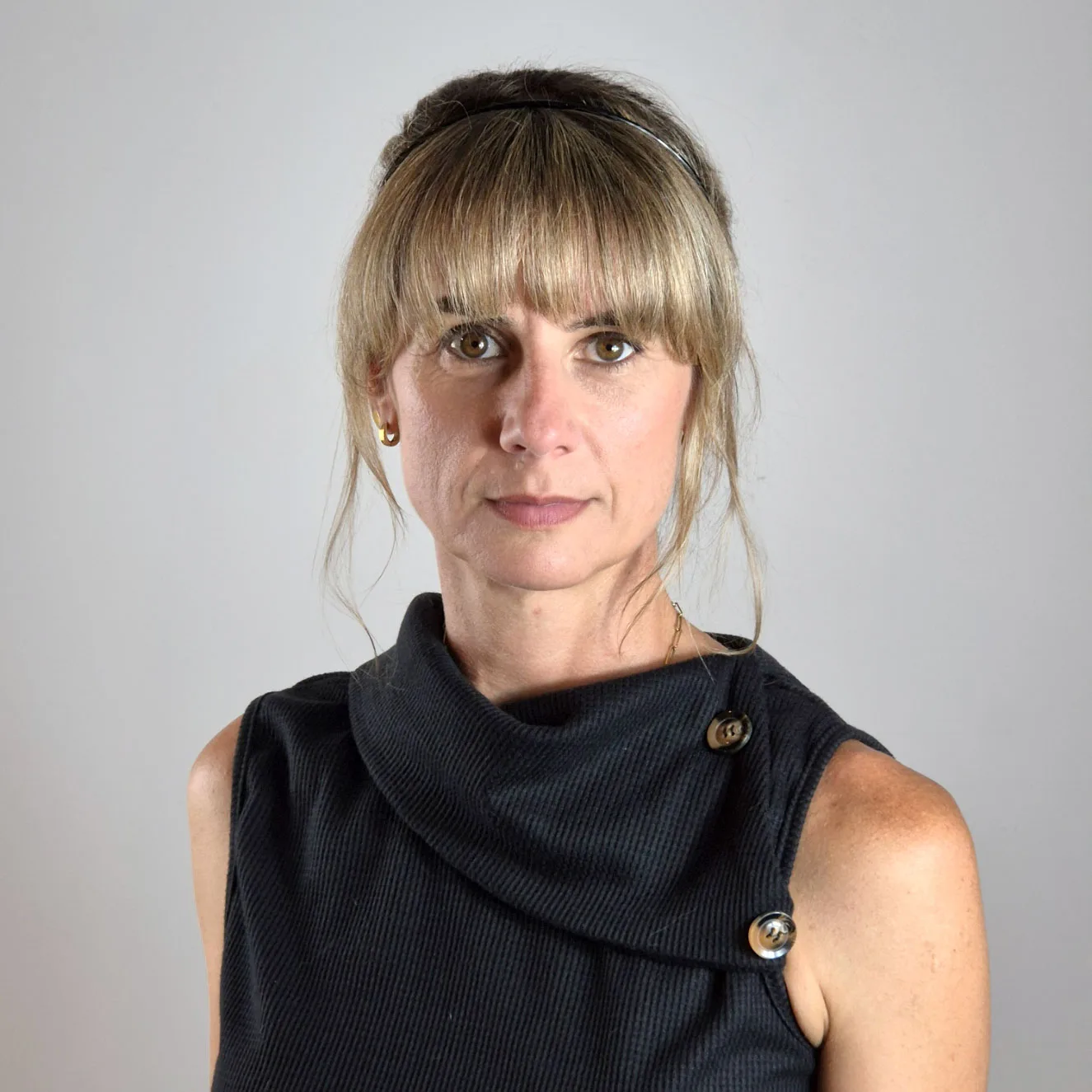
About Dr Erin Barnes
Osteopathy has been my passion since I was 15 years old. After a significant skateboarding accident, I found myself dealing with the aftermath of compensatory patterns and chronic pain. It was through my first osteopathic treatment that I discovered the profound impact osteopathy could have on healing. From that moment, I knew this was what I wanted to do with my life.
In my 10 years as an osteopath, I have found much of a patient’s pain, trauma, and vitality is embedded in the nuances of fascia, viscera, the autonomic nervous system (ANS), and the interconnected fluidity in-between all the bodies systems. My practice is driven by the belief that it all comes back to anatomy. My further studies have taken me interstate and internationally, expanding my knowledge in BLT, visceral, chronic fatigue (ME/CFS), dysautonomia, Fibromyalgia, fascia, Ehlers-Danlos Syndrome (EDS), brain function, craniosacral, HVLA and much more. My goal is to have a vast array of knowledge to try and answer the eternal osteopathic question: Why?
Currently, I am a casual lecturer at Southern Cross University (SCU), educating osteopathic Masters students about indirect/craniosacral and visceral techniques. I have been a student clinical supervisor at Southern Cross University and have been a teacher’s assistant for other CPD courses. I have co-written the current indirect and visceral osteopathic masters content for SCU.
On the Gold Coast, I collaborate with a dynamic team of integrative doctors and medical professionals to address complex conditions like vascular and arterial Thoracic Outlet
Syndrome, Mast Cell Activation Syndrome, and Postural Orthostatic Tachycardia Syndrome (POTS), ME/CFS and other chronic complex conditions. I became a licensed practitioner of the Perrin Technique, a lymphatic focused approach to manage
presentations of Chronic Fatigue Syndrome, Long COVID, and Fibromyalgia.
Currently I am deepening my understanding of the osteopathic treatment for intraabdominal compression syndromes including Median Arcuate Ligament Syndrome (MALS), Nutcracker Syndrome, Superior Mesenteric Artery (SMA) syndrome, and May-Thurner Syndrome, exploring their impacts on the ANS.